Soft Summer hair colors are easiest to choose when blonde, brunette, and red are treated as directions rather than strict winners. The best option is the one that keeps lightness, saturation, and warmth quiet enough for the face wearing it.
Compare the three directions before choosing
Soft Summer coloring is usually gentle, cool-neutral, and muted. That does not mean everyone in the palette needs the same shade. One person may look rested in a dusty blonde, another may need a taupe brunette, and another may only want a smoky copper glaze over brown hair. The shared rule is softness, not sameness.
Start with your natural depth. If your hair is already dark blonde, blonde can be a small move. If it is medium brown, a muted brunette may keep the face more balanced than heavy lifting. If you have natural reddish warmth, a dusty red-brown may be easier than fighting every trace of warmth with ash toner.
Then look at saturation. Soft Summer hair colors become awkward when they turn too clean, too glossy, or too bright. A shade can be beautiful and still too loud. The mirror test is simple: if the hair arrives before the eyes, the chroma or contrast may be too strong.
| Direction | Better Soft Summer versions | Main risk |
|---|---|---|
| Blonde | Dusty blonde, cool beige, mushroom blonde | Too pale, yellow, or icy |
| Brunette | Taupe brown, beige brunette, soft cool brown | Too dark, glossy, or warm chestnut |
| Muted red | Smoky copper, rose brown, lavender brown | Too orange, pink, or vivid |
When a Soft Summer blonde works
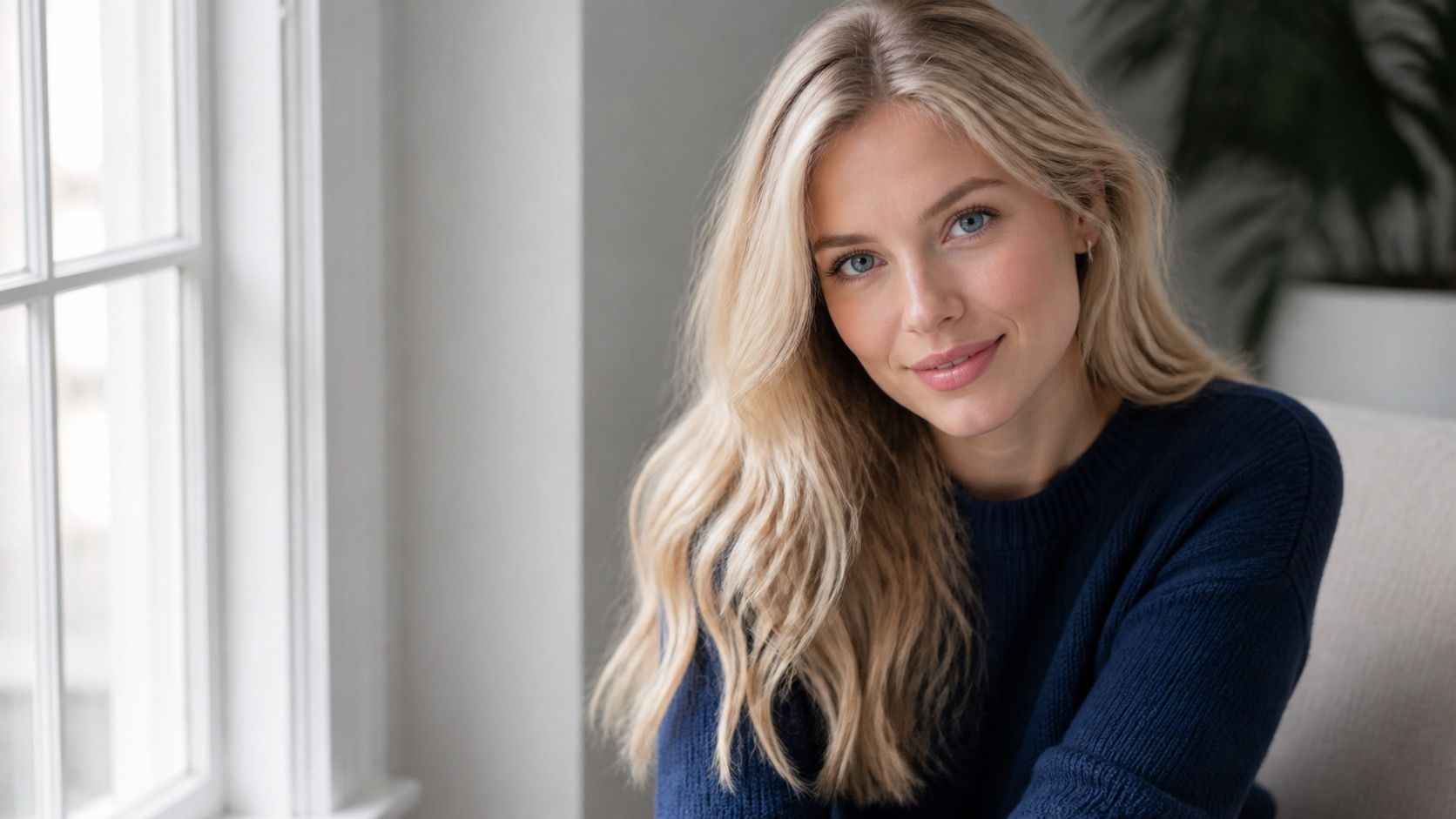
Blonde works well when it stays close enough to the natural base. Cool beige blonde, dark ash blonde, mushroom blonde, and dusty wheat can all sit inside the Soft Summer range when the finish is muted. The word blonde covers a lot of ground, so it helps to specify depth and temperature rather than asking for a seasonal label.
Highlight placement matters as much as the formula. A soft veil of fine highlights can brighten the face without creating hard lines. A thick, pale money piece can look too separate, especially on someone with low contrast features. If the hair around the face becomes the brightest thing in the portrait, the blonde may need a softer root or less lift.
Blonde also has the most visible fade pattern. Toner can keep yellow warmth quiet, but it does not last forever. If you know you stretch appointments, choose a blonde that still looks believable as it warms slightly. A color that only works when freshly toned can become a monthly frustration.
How brunette depth changes the face
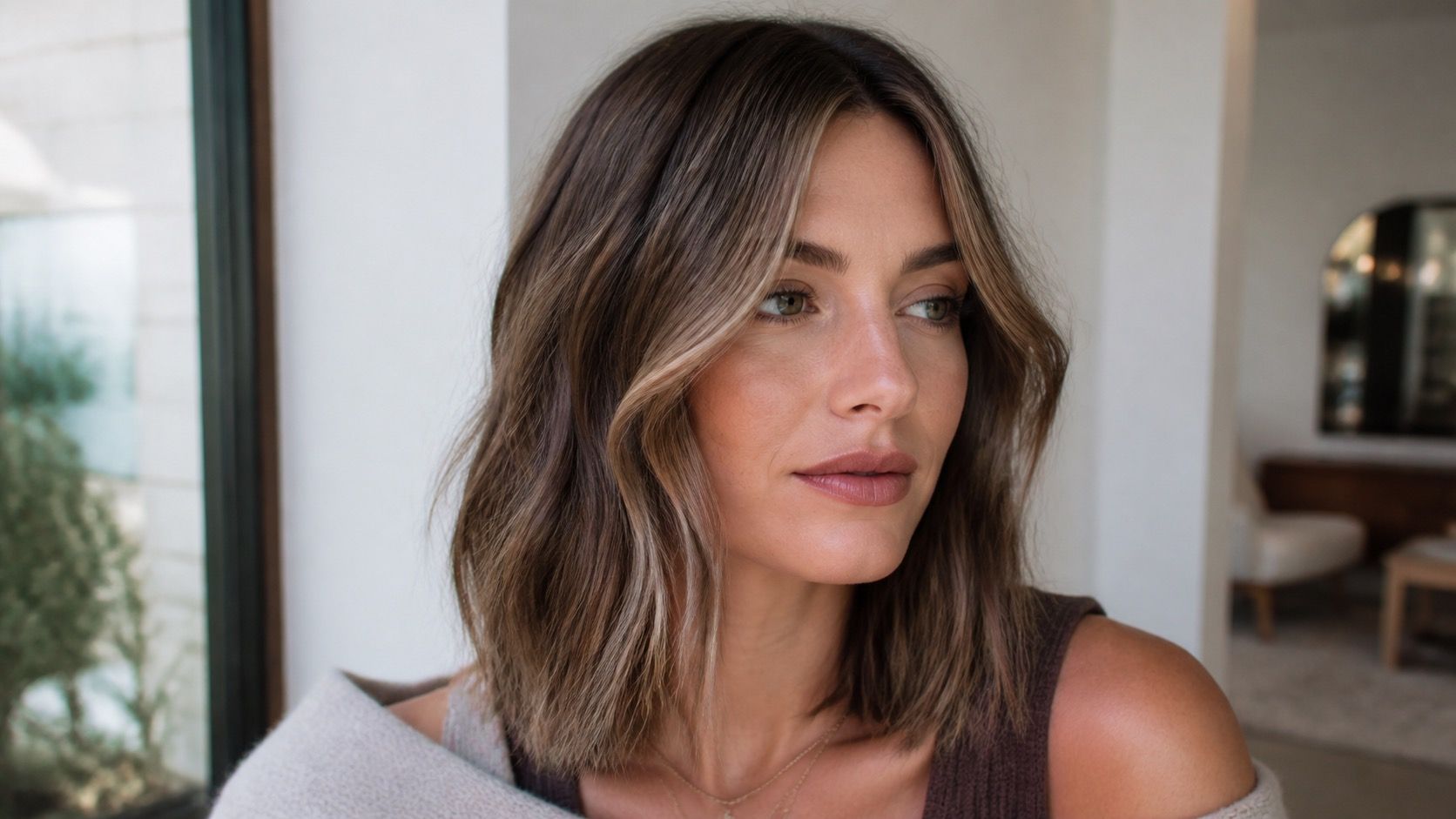
Brunette is often the most wearable Soft Summer hair color direction because it can hold softness and dimension without demanding heavy lightening. Taupe, mushroom brown, cool beige brunette, and soft mocha-brown shades can define the face without creating a sharp frame.
The risk is going too dark. A deep espresso brunette may look elegant on the chart and severe near a Soft Summer face. Blue-black is even riskier because it creates a clean, high contrast edge. If you want depth, ask for a muted brown with a little translucency, not a flat block of dark color.
Dimension keeps brunette from looking dull. Fine lowlights, a slightly lighter face frame, or a gloss that shifts between beige and ash can give movement. The dimension should be close-range, the kind you notice when hair moves, not obvious ribbons from across the room.
Why red needs to stay dusty rather than bright
Red is the trickiest direction for Soft Summer because many salon reds are built to look vivid. Bright copper, cherry, and clean auburn usually bring too much warmth or saturation. A Soft Summer version needs a veil of brown, taupe, mauve, or rose to quiet it down.
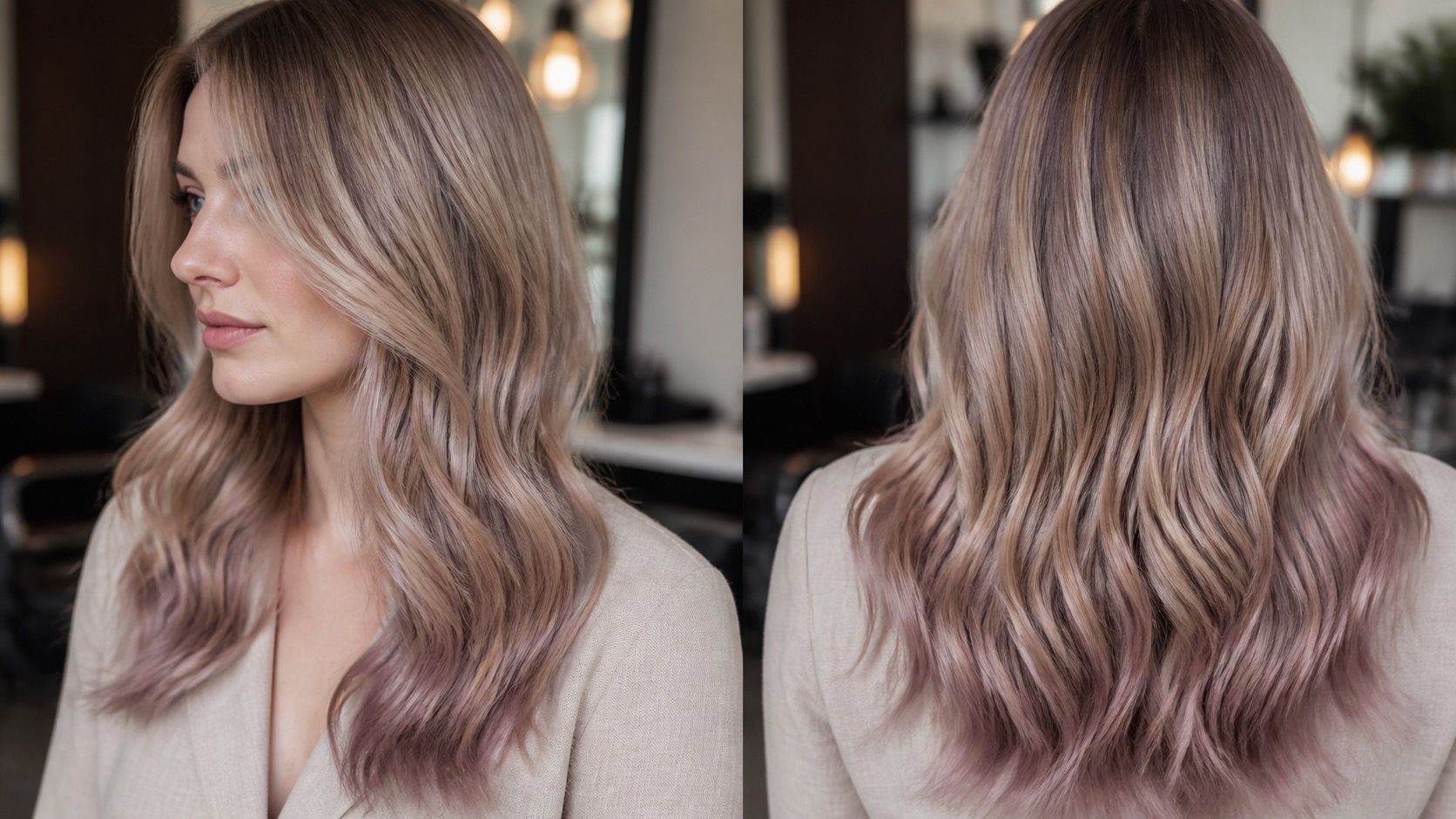
Smoky copper can work when it is more brown than orange. Rose brown can work when the rose is muted and tea-like. Lavender brown can be beautiful on the right base, but it should not look purple in ordinary light. The best muted red shades often look subtle indoors and more interesting in daylight.
Ask about the starting point. Previously lightened ends may grab rosy or violet toner more strongly than virgin roots. Naturally warm brown hair may reveal copper quickly as the gloss fades. That does not make muted red impossible; it means the formula and maintenance schedule need to be realistic.
Maintenance trade-offs between the options
Every direction has a cost, even when the final look is soft. Blonde usually needs the most toning and the most care around dryness. Brunette often needs less lifting but can lose its cool-neutral finish and become warm. Muted red may fade fastest because red and rose molecules are often less stable on porous hair.
If you want the lowest maintenance option, stay near your natural depth and adjust temperature rather than changing the whole level. A cool beige brunette on medium brown hair is usually easier than a pale dusty blonde. A rose-brown gloss is usually easier than a full copper transformation.
If you enjoy salon upkeep, you can push the direction further. The useful boundary is still softness. Plan toner, gloss, highlight placement, and root blend as one system. Otherwise the color may look good in the first photo and harder to live with three weeks later.
Using previews without expecting perfect results
Virtual hair try-on is helpful for comparing broad Soft Summer hair colors because it lets you test lightness and contrast quickly. It is less reliable for the exact difference between taupe, cool beige, and mushroom brown. Phone photos, screen warmth, and app rendering can all shift muted shades.
Use previews to sort choices into probably softer and probably too much. If pale blonde makes your face disappear in every photo, that is useful. If a taupe brunette makes your eyes look steadier, that is useful too. Save the closest preview next to an unedited current photo, because that comparison makes the consultation more grounded than a single inspiration image. Take those observations to a colorist, then let the final formula account for your natural pigment, previous color, hair condition, and how often you want to tone.