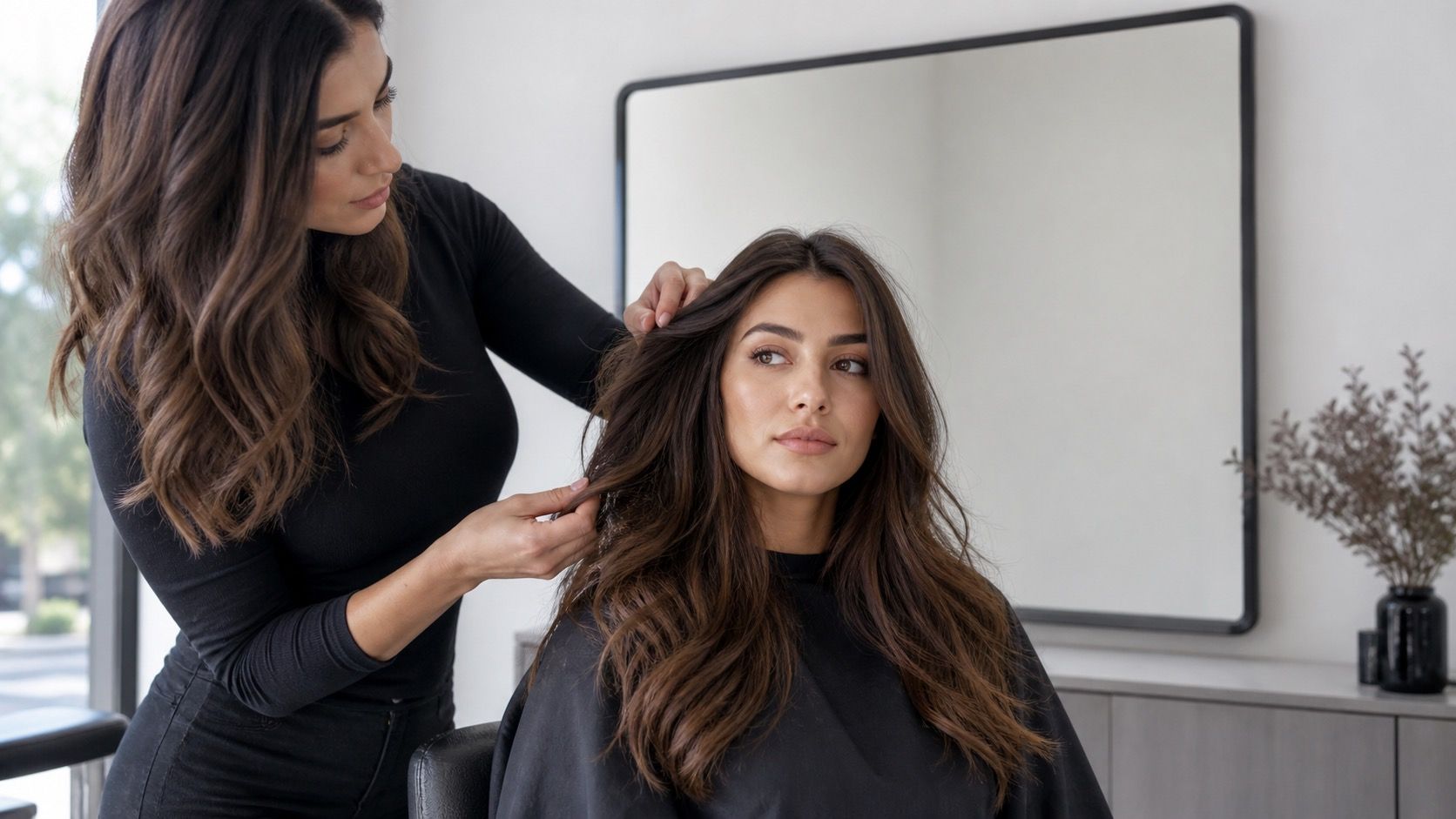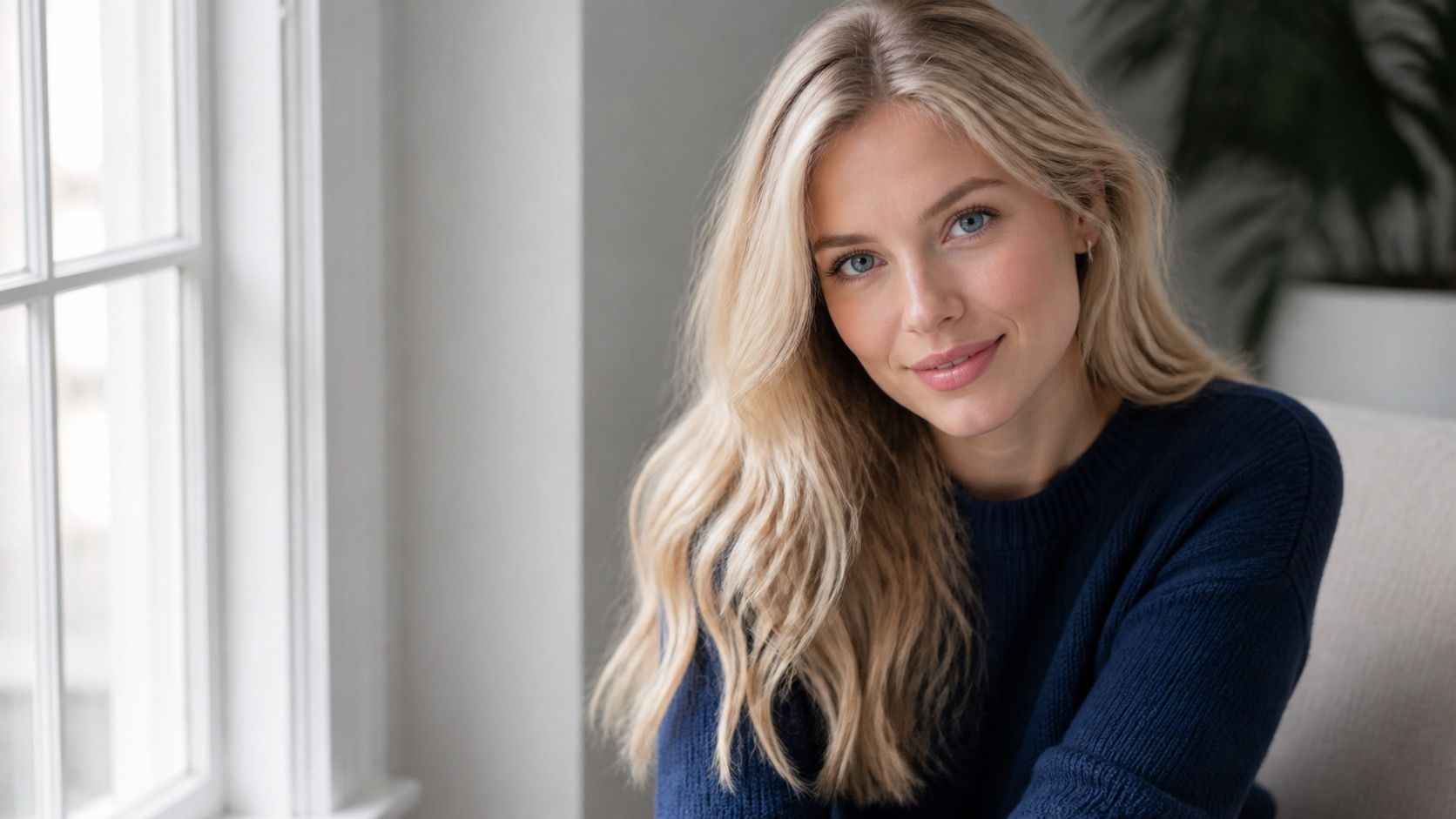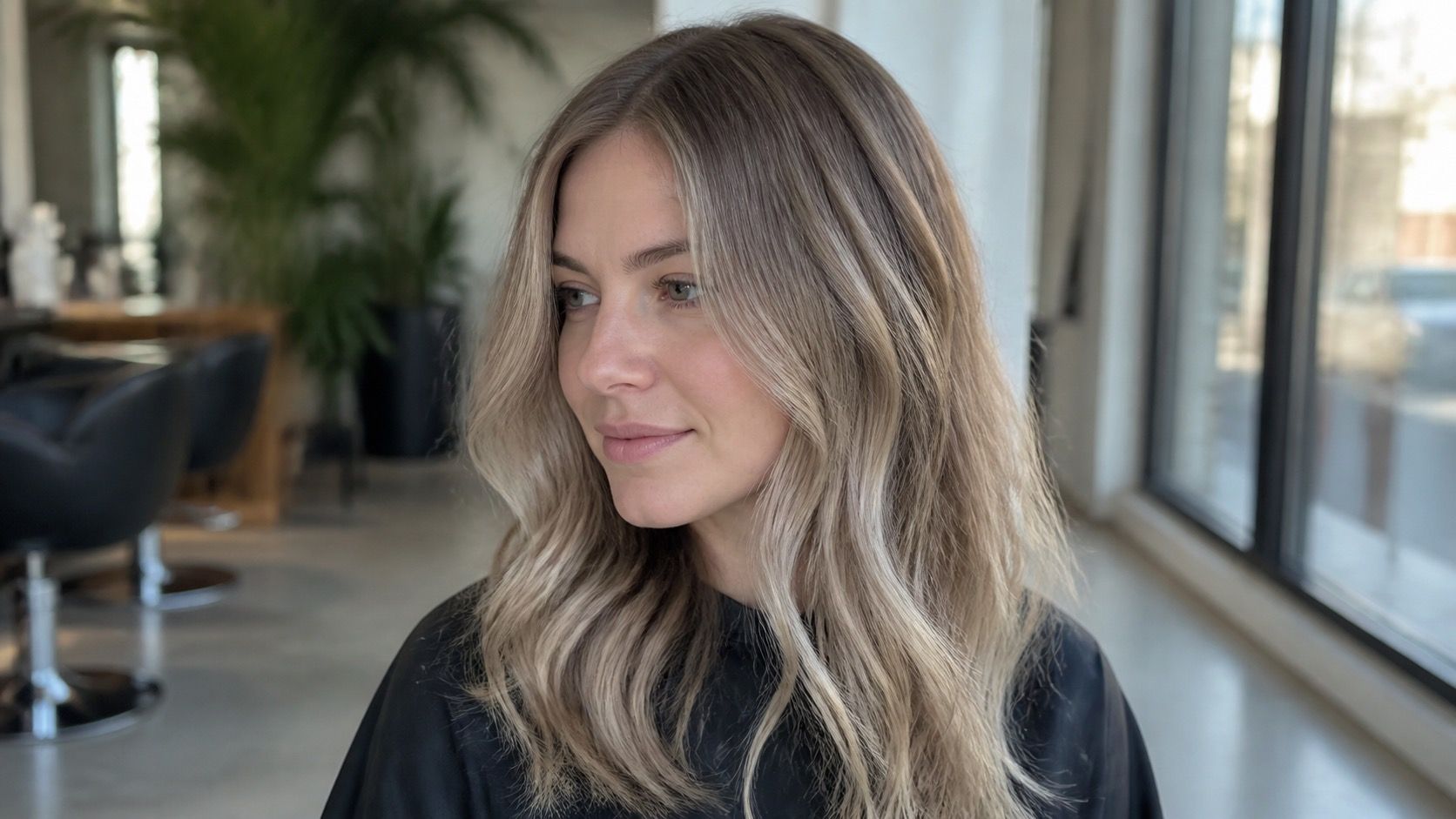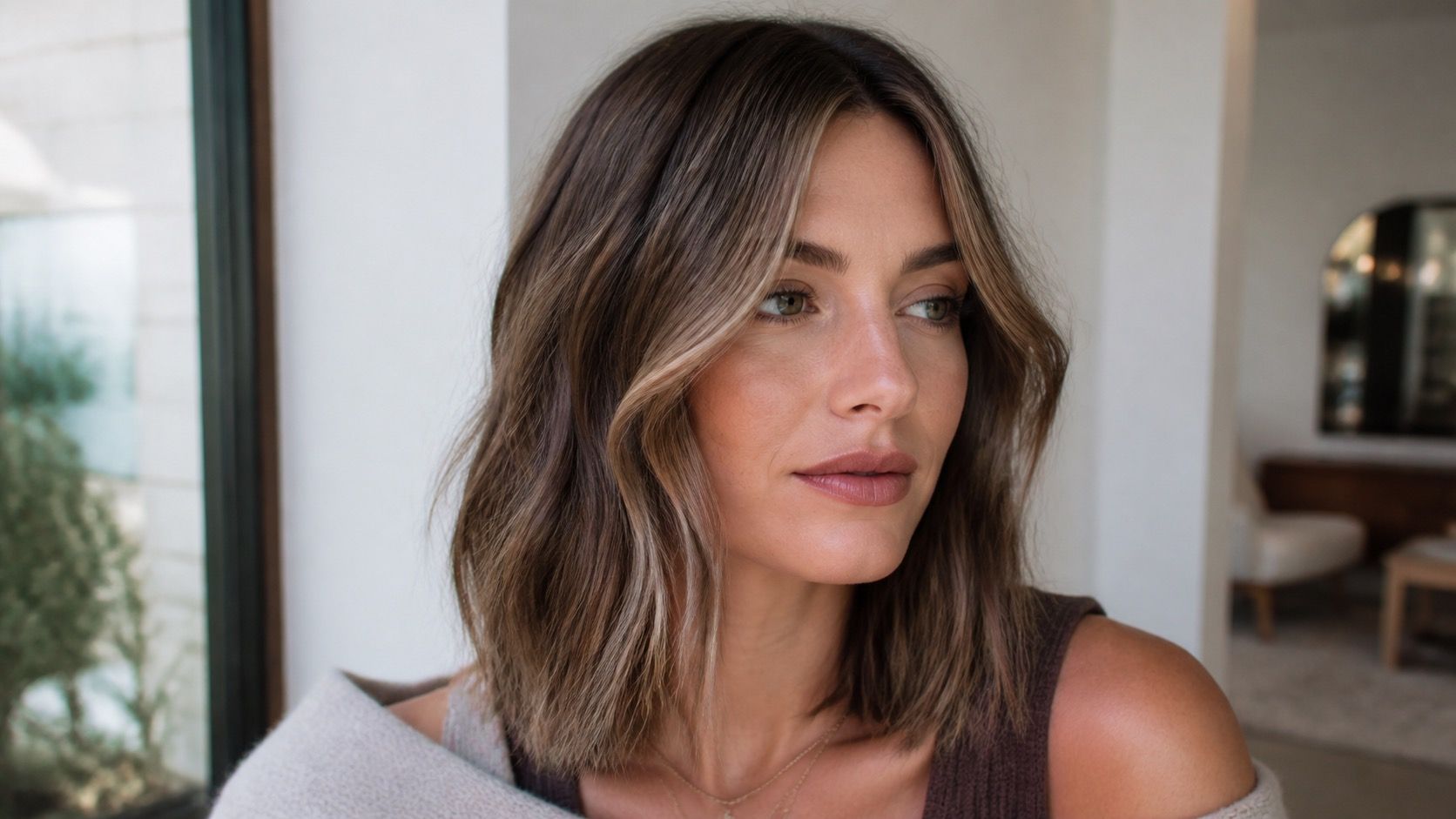
Cool Summer hair color ideas work best when the shade looks calm before it looks dramatic. The aim is usually soft dimension, cooler reflect, and a finish that sits with the face instead of taking over it.
Choose an idea by the change you actually want
The easiest mistake is choosing a photo because the model looks good in it. Hair colour sits on your own skin, brow depth, eye softness, and natural root, so the better first question is practical: do you want to look lighter, softer, cooler, or more polished?
If your natural hair is dark blonde or light brown, a full jump into pale ash blonde can make the regrowth feel harsh within a few weeks. A smoky beige gloss, muted babylights, or a small face frame often gives the same fresh effect with less contrast at the root. If your hair is already brunette, a cool brunette gloss or mushroom brown ribbons may be enough to remove warmth without making the colour flat.
Cool Summer colouring usually handles low-contrast placement well. That means the light pieces do not need to shout. They can sit half a level lighter around the hairline, soften the ends, or break up one solid block of colour. A stylist may still use balayage, but the result should not look sunburnt or gold. Ask for muted beige, ash brown, smoky taupe, or cool neutral language rather than bright caramel.
| Change you want | Natural-looking direction | What to watch |
|---|---|---|
| Softer face frame | Fine cool beige babylights around the hairline | Avoid thick pale stripes against a muted face |
| Less brassiness | Cool brunette gloss or mushroom brown toner | Do not push the colour so grey that it looks dusty |
| Subtle blonde lift | Ash blonde veil over a neutral root | Keep the root soft enough for regrowth |
| Quiet colour change | Cool rose brown or muted berry glaze | Keep it sheer, not vivid pink or purple |
Subtle blonde ideas for low contrast
Ash blonde can be beautiful on a Cool Summer, but the best version is rarely icy white. Very pale silver-blonde can look separate from the face, especially if the eyebrows are soft taupe and the eyes have a grey-blue or grey-green quality. A softer ash blonde, cool beige blonde, or pearl-dark-blonde direction usually feels more believable.
For a first blonde appointment, fine babylights are safer than large highlighted panels. They add brightness without breaking the muted rhythm of the colouring. The pieces should be narrow enough that the eye reads movement, not stripes. If the hairline naturally goes lighter in summer, ask the stylist to mimic that pattern with a cool toner rather than making every front piece equally bright.
Smoky beige is a useful middle ground. It is cooler than honey, softer than silver, and less severe than a blue-violet ash. On dark blonde hair, it can look like a cleaner version of the natural shade. On light brown hair, it can brighten the ends without forcing a high-maintenance blonde identity.
Root choice matters. A neutral root melt can make blonde feel intentional instead of freshly grown out. For Cool Summer hair, the root should usually stay close to the natural depth, maybe softened by a gloss, rather than being painted warm brown for contrast. Warm roots can make the lighter ends look brassy even when the toner is technically cool.
Brown and brunette ideas with movement
Mushroom brown is one of the more forgiving cool summer hair color ideas because it lives between brown, taupe, and muted ash. It can soften a brunette base without turning the hair black, blue, or flat. The trick is keeping enough brown in the formula that the colour still looks like hair, not a grey filter.
A cool brunette gloss is a good option when the cut already has shape and the main problem is warmth. It can quiet orange or red reflect, add shine, and make the ends look smoother. It will not redesign the haircut or erase old banding, so it works best when expectations are modest: cleaner tone, not a new head of hair.
For movement, ask for low-contrast ribbons rather than obvious balayage chunks. A Cool Summer brunette usually looks better with ash-brown, cocoa-taupe, or cool beige pieces placed where the hair bends. Around the face, two or three very fine pieces can lift the expression; too many bright strips can make the skin look tired by comparison.
If your hair pulls warm easily, bring that up before the colour is mixed. Some brown hair exposes orange when lifted, and the final result depends on the starting level, previous dye, and porosity. A cautious stylist may suggest gloss first, then subtle lightening later. That is not a lack of imagination. It is often how you avoid an expensive correction.
A restrained rose or berry direction
Cool rose can suit a Cool Summer when it is treated like a glaze, not a costume colour. Think rose-brown, dusty mauve, cranberry brunette, or a faint berry reflection in the light. The colour should feel diluted, almost like it belongs inside the brown or blonde base.
This direction is especially useful for someone bored with ash but still uncomfortable in gold, copper, or peach. A muted rose gloss can soften a cool brunette. A rose-beige toner can make blonde feel less salon-ash and more personal. On very light hair, though, even a small amount of pink can show strongly, so the formula and timing need restraint.
Maintenance is part of the decision. Rose and berry tones can fade unevenly depending on shampoo, heat styling, and how porous the ends are. If you want a barely-there effect, plan for a gloss refresh rather than a permanent-looking commitment. If you want the colour visible in every mirror, it may stop reading as a natural Cool Summer idea and become a fashion colour instead.
A useful reference photo for this section is not a neon pink transformation. Look for brunette or dark blonde hair where the cool rose appears mainly in daylight or on the curved ends. The quieter photo is usually the one that a stylist can translate into wearable salon language.
How to show reference photos without copying the model
Reference photos help most when you mark what you like. Circle the root depth, the size of the face-framing pieces, the amount of contrast, or the smoky beige tone. Do not ask the stylist to copy the whole person. The model may have different hair density, skin contrast, salon lighting, extensions, or a filter that cools the photo.
Bring two kinds of photos: the colour you like and the colour you do not want. A photo of warm caramel balayage can be just as useful if you say, clearly, that this is the warmth you want to avoid. For Cool Summer hair, words like ash, cool neutral, muted, soft, mushroom, smoky beige, and low contrast are more helpful than asking for whatever shade is trending.
Virtual hair try-on can be a useful first screen, especially for seeing whether you prefer lighter front pieces or a deeper brunette frame. Treat it as a rough preview of direction, not as proof that a formula will work on real hair. Phone cameras, screen brightness, and app overlays all change how cool tones appear.
Before the appointment, look at your regrowth in daylight. If the root already looks soft and cool, the most natural idea may be to work with it instead of hiding it. If the ends look warm from old colour, the first appointment may be about correction and gloss. Good Cool Summer colour usually looks calm because the plan respects what is already on the head.