Soft Summer hair color works best when the shade feels calm before it feels dramatic. The useful question is not whether a color is pretty on a swatch, but whether it keeps the face soft, the eyes clear, and the natural contrast in proportion.
What balance means for Soft Summer hair color
Soft Summer usually sits in a cool-neutral palette with low to medium contrast. Hair that looks balanced in this palette has muted chroma, gentle depth, and a finish that does not shout against the skin. In a salon chair, that often means asking for a smoky beige, mushroom brown, dusty blonde, or rose brown direction rather than a clean icy blonde or a golden caramel.
The easiest mistake is choosing a shade because it is technically cool. Cool alone is not enough. A blue-black brunette can be cool and still look too heavy. A silver blonde can be cool and still make the face look drained. Soft Summer needs the coolness softened by grey, beige, taupe, or a quiet brown base.
A practical check is to compare the hair to the brows and eye pattern. If the hair becomes the darkest, sharpest feature in the mirror, the shade may be carrying too much contrast. If the hair looks flat and dusty in indoor light but calm in daylight, that can be normal for this palette. Muted hair color often looks expensive because it does not reveal itself all at once.
Blonde directions that stay muted
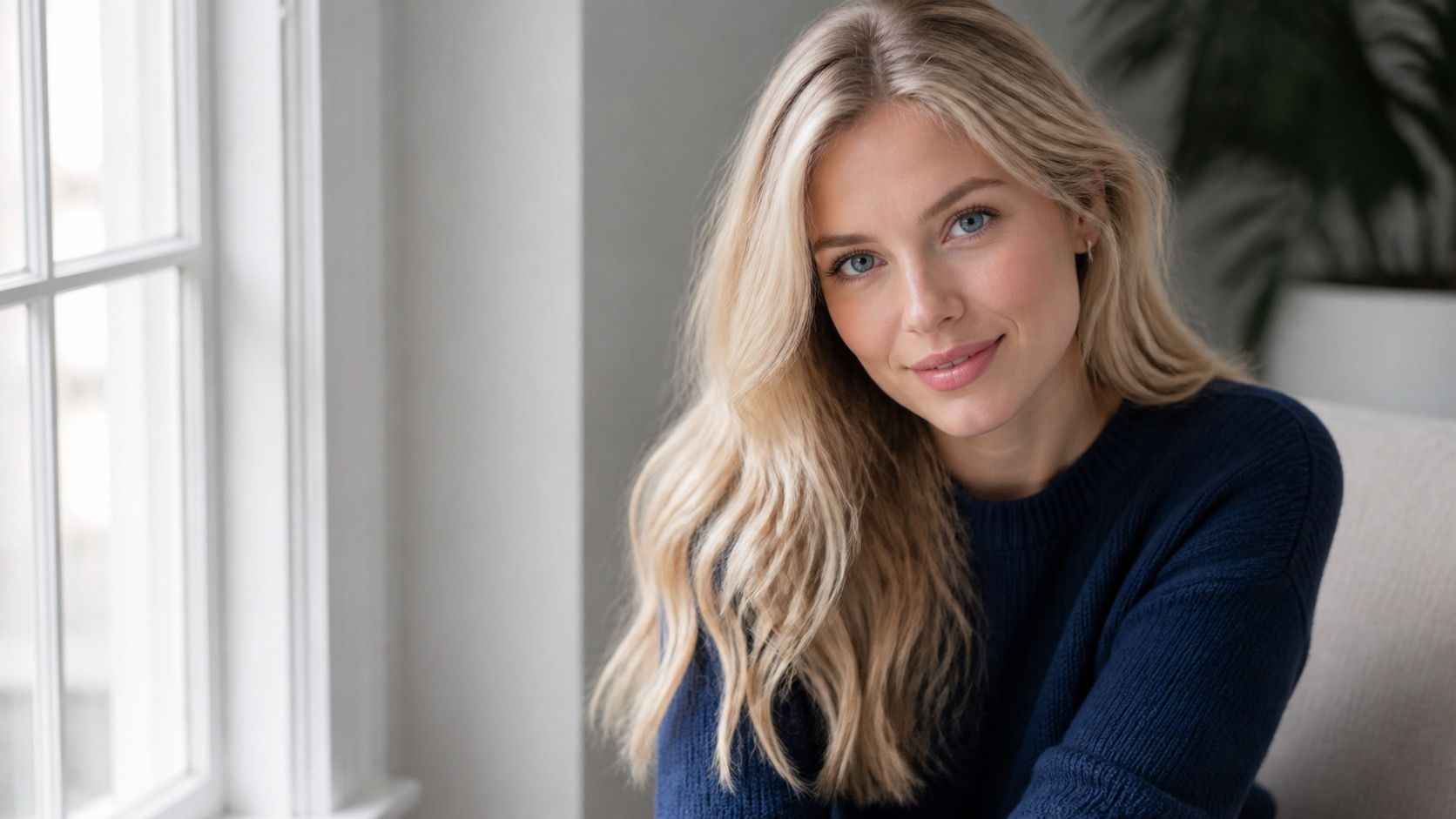
Soft Summer blonde is usually better when it avoids both yellow brightness and icy white brightness. Dusty blonde, cool beige blonde, dark ash blonde, and soft mushroom blonde give a colorist room to keep the shade gentle. The target is a blonde that looks lived-in, not freshly bleached to the palest level possible.
Depth matters. A Soft Summer with naturally dark blonde or light brown hair may look more balanced with a level that stays close to the natural base, then uses beige-ash pieces around the face. Pushing the whole head too pale can create a washed-out look, especially once toner starts fading and the underlying warmth appears.
Ask for dimension in small shifts rather than thick stripes. Fine highlights, lowlights, and a soft root shadow can keep the blonde from floating away from the face. If the colorist uses toner, describe the finish in plain words: muted beige, smoky, soft ash, no yellow gold, no silver-white. That is more useful than asking for the coolest blonde on the chart.
Brunette and rose-brown options
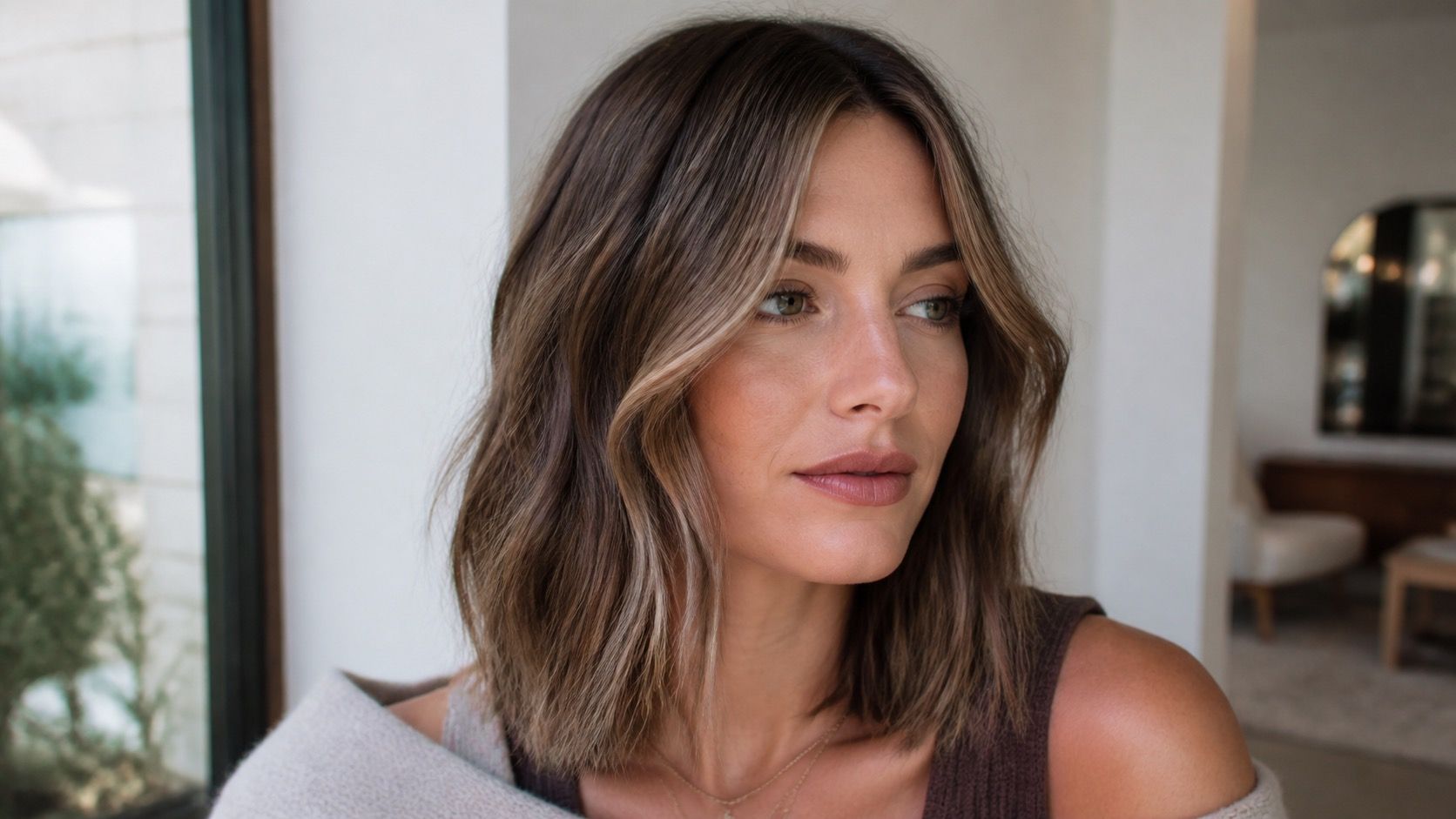
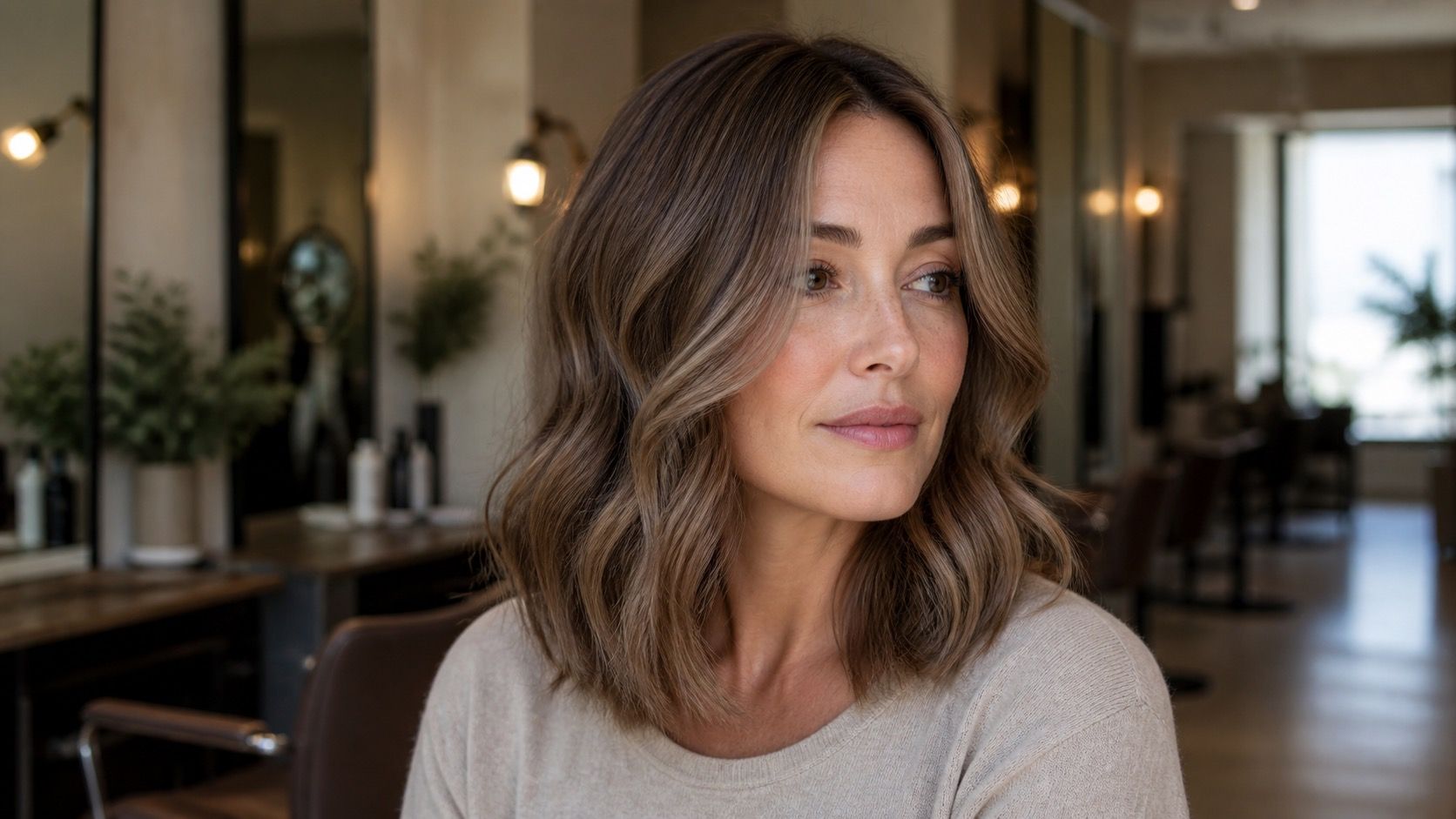
Brunette can be excellent for Soft Summer when the brown is quiet. Mushroom brown, beige brunette, cool taupe brown, and soft mocha without obvious warmth tend to sit better than espresso, blue-black, or bright chestnut. The shade should have depth, but the edge should stay blurred.
Rose brown is useful when someone wants a little color without crossing into vivid red. The rose note should look dusty, almost tea-stained, rather than pink or coppery. On darker hair, this might appear as a muted mauve-brown glaze. On lighter brown hair, it can read as a soft berry beige in daylight.
Warmth is not forbidden, but it needs restraint. A tiny beige warmth can make hair look touchable; orange warmth can make the face look more tired. If your hair pulls red or copper easily, discuss that before color is mixed. The formula may need a cooler brown base, a violet-blue toner, or more conservative lifting.
How much root contrast the palette can carry
A root shadow is often helpful for Soft Summer hair color because it keeps the color connected to natural regrowth. The shadow should not look like a hard band. A half-level or one-level shift from the natural root is usually easier to wear than a dramatic dark root against pale lengths.
For naturally dark ash blonde or light brown hair, the root can stay close to the natural base while the mids and ends move into dusty blonde or beige brunette. For medium brown hair, a soft brunette gloss with face-framing pieces may be safer than a high-lift blonde. The goal is to avoid a weekly feeling that the roots are ruining the whole color.
Regrowth is part of the decision. If the salon result only looks good for ten days, it is probably too fragile for everyday wear. Soft Summer color can age well when the root, toner, and highlight placement are planned together. It should fade into a softer version of itself, not into yellow bands and blunt contrast.
What to tell a colorist before the appointment
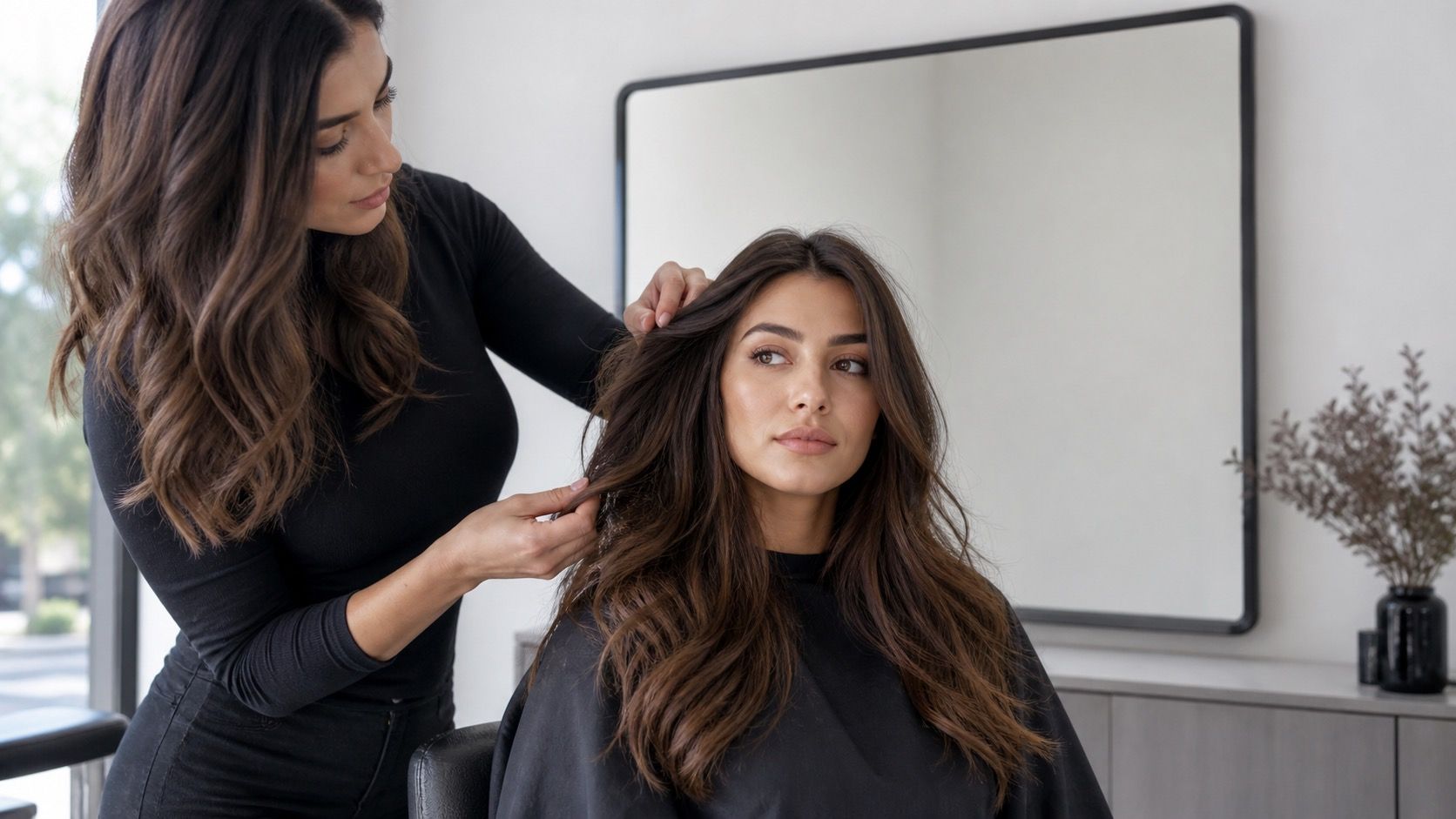
Bring references, but edit them carefully. Photos shot in warm sunset light, heavy filters, or studio flash can mislead the consultation. Choose references where the hair is visible in daylight and where the model has similar natural depth. If you like mushroom brown, say whether you like the grey-brown softness, the depth, or the expensive-looking finish. Those are different instructions.
| Ask for | Why it helps | Watch for |
|---|---|---|
| Muted beige or ash-beige toner | Keeps blonde and brunette shades soft instead of yellow | Too much ash can turn flat or grey on porous ends |
| Soft root shadow | Connects color to natural regrowth and lowers contrast | A root that is too dark can look harsh |
| Fine dimension | Adds movement without stripe-like highlight contrast | Chunky brightness can overpower a low contrast face |
| Dusty rose or mauve-brown glaze | Adds color while staying inside a muted palette | Fresh copper or pink can read too bright |
Be honest about maintenance. If you do not want frequent toning, avoid a shade that depends on a very exact cool finish. If your hair is porous, lightened, or already warm, ask how the color is expected to fade. A good Soft Summer result should make room for real life: shampoo, sun, heat styling, and the natural warmth that appears between appointments.
When a shade is close but still feels wrong
Sometimes the problem is not the color family but the amount of saturation. A brunette may be the right depth but too glossy and dark. A blonde may be the right temperature but too bright around the face. A rose brown may be charming in a photo and too pink in the bathroom mirror.
Small adjustments often work better than a complete correction. A glaze can mute warmth. Low-lights can bring back depth. A softer money piece can reduce the bright frame around the face. If the hair looks separate from your features, ask whether the shade needs less chroma, a softer root, or a slightly deeper base before assuming the whole direction was wrong.
Virtual hair try-on can help here as a rough filter, especially for comparing lightness and contrast. Treat it as a preview, not a promise. Screens make muted shades look flatter or warmer depending on the photo. The better use is to notice what happens to your face when the hair gets brighter, darker, cooler, or dustier, then take that observation into the salon conversation.