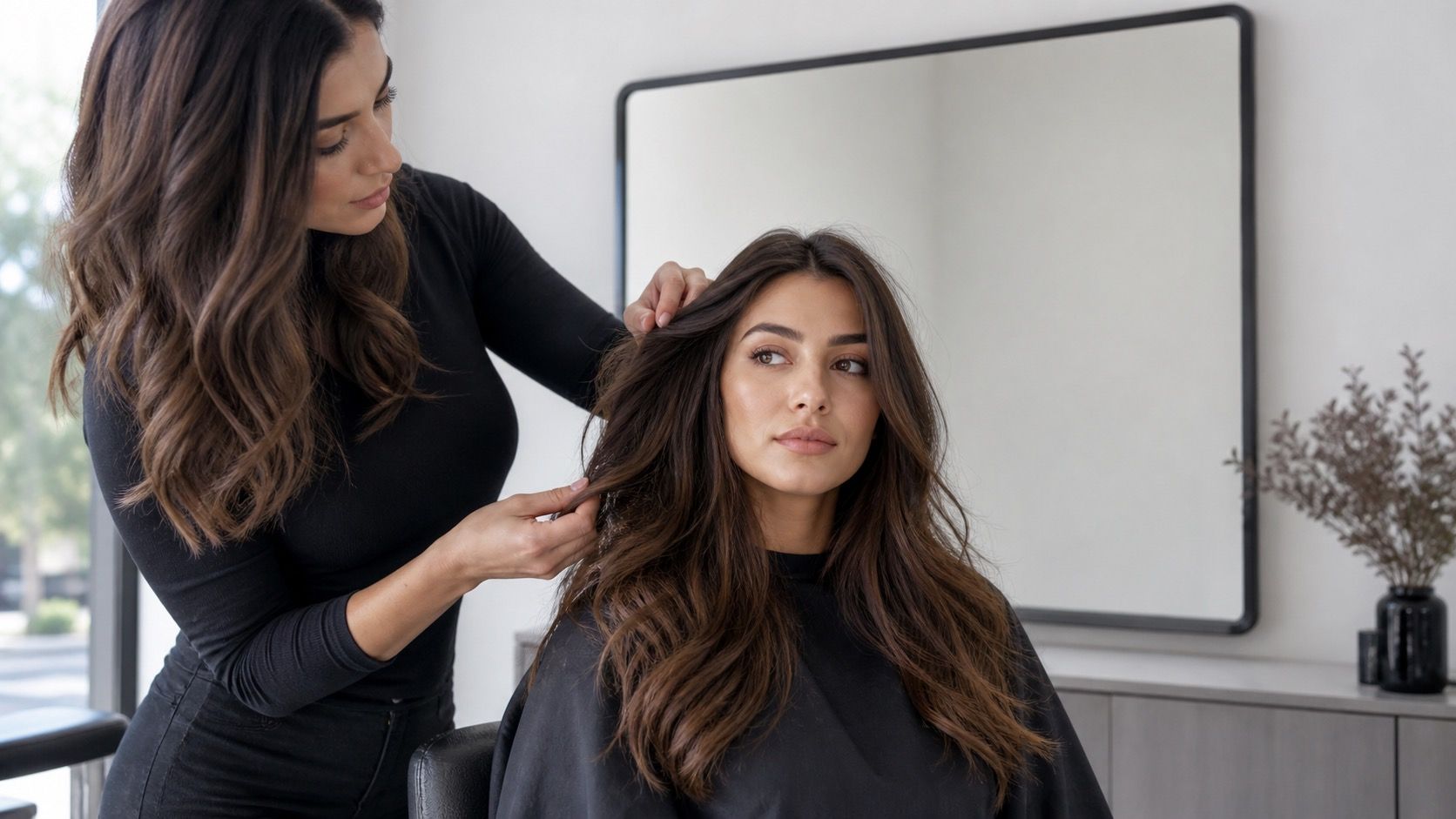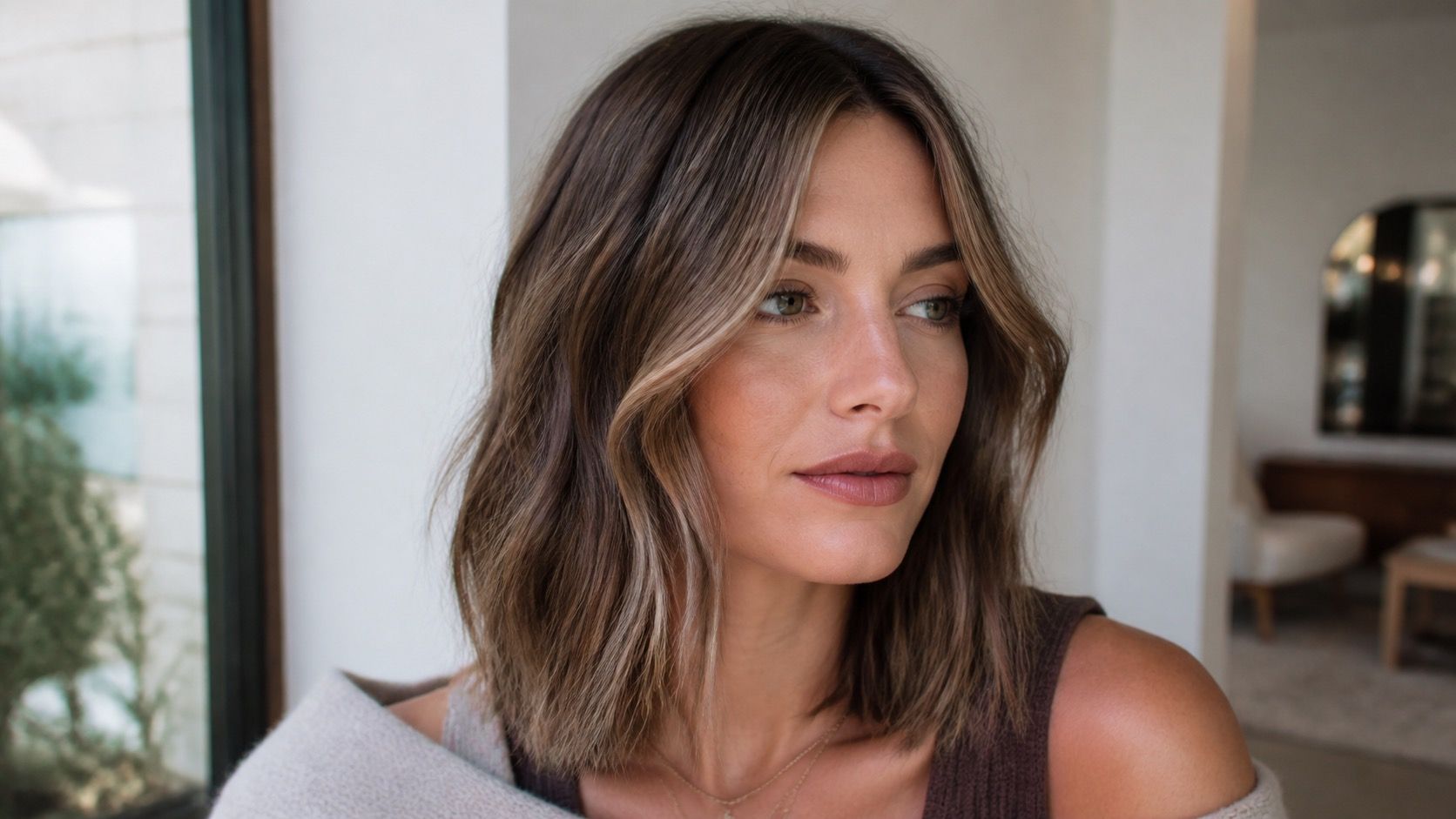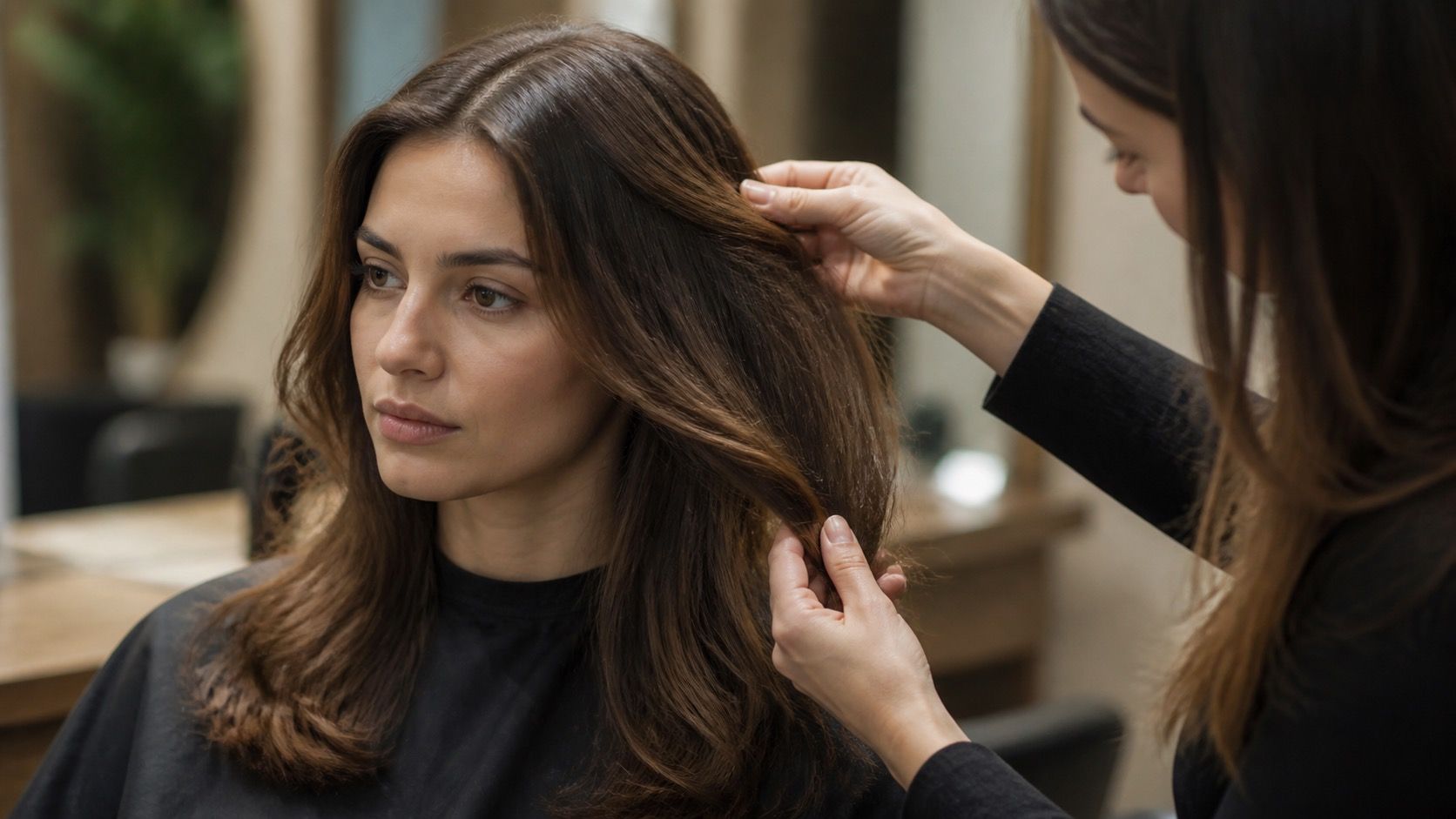
Hair color analysis is useful when it keeps you from choosing a shade in isolation. The question is not whether copper, espresso, beige blonde, or ash brown looks good on a color chart. The better question is how that shade behaves beside your skin tone, eye color, natural hair color, and contrast level in ordinary daylight.
What hair color analysis can tell you
A good hair color analysis narrows the field before you spend money or sit through a chemical service. It can suggest whether your face looks clearer with warmth, cooler softness, more depth, or a lighter frame. It cannot promise that one formula will look identical on every head of hair, because hair dye sits on top of existing pigment, porosity, grey percentage, and previous color history.
The useful part is pattern recognition. If golden beige makes your eyes look brighter and ash beige makes your skin look tired, that is information. If black hair makes the features feel sharper but also pulls attention away from the face, that is information too. The result should feel like a direction, not a verdict.
Think in terms of shade behavior. Warm brown can read soft on one person and orange on another. Cool brown can look polished on someone with a cool undertone and dull on someone whose skin needs a little gold. The analysis helps you notice those reactions before a permanent color locks them in.
How undertone changes a shade
Undertone is the quiet part of color analysis hair decisions. Surface skin tone can change with sun, redness, tan, lighting, or makeup. Undertone is the cast that tends to remain underneath those changes. A warm undertone often sits more comfortably beside gold, honey, caramel, copper, chestnut, or golden brunette. A cool undertone often handles ash brown, cool beige, mushroom brown, blue black, pearl blonde, or soft burgundy with less friction.
Neutral undertone is trickier because it can borrow from both sides. Many neutral faces do best with balanced shades rather than strong extremes. A neutral brunette may look better with soft beige lights than with yellow highlights or smoky ash. A neutral blonde may need a beige pearl mix instead of a very icy toner.
The easiest mistake is treating undertone like a strict label. Warm does not mean every copper works. Cool does not mean every ash shade works. The level of the hair, the saturation of the color, and the contrast around the face matter just as much. A deep auburn can be wearable where bright orange copper is too loud. A soft cool brown can be flattering where flat blue black is too severe.
| Clue in daylight | Often points toward | Hair color note |
|---|---|---|
| Skin looks clearer beside ivory, camel, or warm gold | Warm undertone | Try golden brunette, caramel, honey, or controlled copper before anything very ashy |
| Skin looks calmer beside white, charcoal, navy, or silver | Cool undertone | Try ash brown, pearl beige, cool espresso, or muted berry shades with care |
| Both warm and cool colors work, but strong versions feel too much | Neutral undertone | Use beige, soft chestnut, neutral brown, or mixed highlights instead of hard extremes |
Why natural hair depth matters
Your natural hair color is not just a starting point for the salon. It is one of the strongest clues in hair colour analysis. Natural depth tells you how much contrast your features are used to carrying. Someone with naturally dark brows, dark lashes, and deep brown hair may lose definition if the hair is lifted too pale without adjusting the brows or makeup. Someone with naturally light ash brown hair may find that very dark dye makes every shadow on the face look stronger.
Depth is separate from warmth. A person can be deep and cool, deep and warm, light and warm, or light and cool. This is where seasonal color analysis can help, especially when it looks at contrast level rather than only undertone. High contrast features often tolerate clearer or deeper hair color. Low contrast features usually look more settled when the hair color stays softer, with less jump between skin, eyes, brows, and hair.
Look at your roots, brows, and lashes in window light. If the roots are medium ash brown and the brows are soft, a very bright golden blonde may feel disconnected unless it is blended carefully. If the roots are dark chestnut and the eyes are deep, a pale beige blonde may need a shadow root or lowlights to keep the face from looking washed out. This is not a rule against change. It is a reminder to change the frame deliberately.
Testing color in honest lighting
The cleanest test happens near a window on a bright but not glaring day. Bathroom bulbs can push hair yellow. Phone screens can cool the face. Salon mirrors can be flattering in a way that disappears outside. For a simple test, pull the hair away from the face, wear a plain grey or white top, and hold fabric, extensions, or clean swatches near the jaw and collarbone.
Watch the face before the hair. A helpful shade makes the eyes easier to see, softens unevenness, and keeps the mouth and brows in balance. A poor shade may make the skin look grey, yellow, ruddy, flat, or overly shiny. Sometimes the wrong shade looks exciting for two seconds because it is dramatic. Keep looking. The flattering shade usually feels less theatrical and more settled.
Photos can help if you take them consistently. Use the same spot, same distance, no beauty filter, and no strong makeup. Compare warm, cool, light, and deep options side by side. Do not let one lucky selfie decide the result. A color that only works under a warm lamp is not the same as a color that works on a normal morning.
Turning the result into salon notes
The best set of salon notes is specific without pretending to be a formula. Bring the direction, the limits, and a few examples of what went wrong before. Instead of saying you want brown, say that very warm brown turns orange on you, flat ash makes you look tired, and you want a neutral medium brunette with soft beige dimension around the face. That gives the colorist a practical target.
Also mention your hair history. Box dye, henna, bleach, old gloss, and previous dark color can change what is possible in one appointment. Hair color analysis can tell you that cool beige blonde suits your features, but it cannot remove old red pigment safely in a single sitting. A good result may need a transition shade first.
If you are using virtual hair try-on, treat it as a rough preview of placement and depth, not a guarantee of undertone. Many previews flatten texture or ignore how dye reacts on real hair. Use the preview to decide whether you like a softer root, brighter face frame, or deeper overall color. Let the final tone come from daylight testing and a colorist who can read your natural pigment.
When the best shade is a range, not one color
Most people do not have one perfect shade. They have a range that respects undertone, depth, and contrast level. A cool summer type might move between soft ash brown, muted beige blonde, and cool taupe lights. A warm autumn type might move between chestnut, caramel brunette, and coppered brown. A neutral person might look best in balanced shades that avoid both orange and smoke.
This is good news. It means hair color analysis should make choices easier, not smaller. Once you know your range, you can adjust for season, maintenance, grey blending, hair health, and personal style. The practical win is leaving the salon with hair that looks intentional beside your face, not just pretty in the bowl or under a ring light.