Cool Summer hair colours are cool, soft, and slightly muted rather than icy or loud. In a salon conversation, that usually means choosing depth, toner, and contrast with more care than choosing a fashionable shade name.
What the cool and muted combination means
Cool Summer sits in the part of seasonal colour analysis where blue-based undertones and softness matter together. Coolness means the shade avoids obvious gold, copper, orange, and peach. Muted chroma means the colour is not sharply bright. Put together, the hair usually looks best when it has a quiet, misted quality.
This does not mean every Cool Summer needs grey hair, silver blonde, or a dramatic ash finish. A colour can be cool without looking smoky. A brunette can be soft without becoming dull. The practical goal is to keep the face in focus, especially if the natural features are low to medium contrast.
Colour depth still matters. Someone with naturally dark ash brown hair may look washed out in a pale cool blonde, even though the tone is cool. Someone with naturally dark blonde hair may look heavy in a deep espresso brunette, even if the formula has no warmth. Cool Summer hair colours work best when depth and softness are judged together.
Daylight is the most honest test. Bathroom lighting can make ash tones look green, salon lighting can flatter almost anything, and phone photos may cool the image automatically. If a colour looks calm in indirect daylight and still leaves the eyes visible, it is usually closer to the Cool Summer lane.
Colour families that usually stay gentle
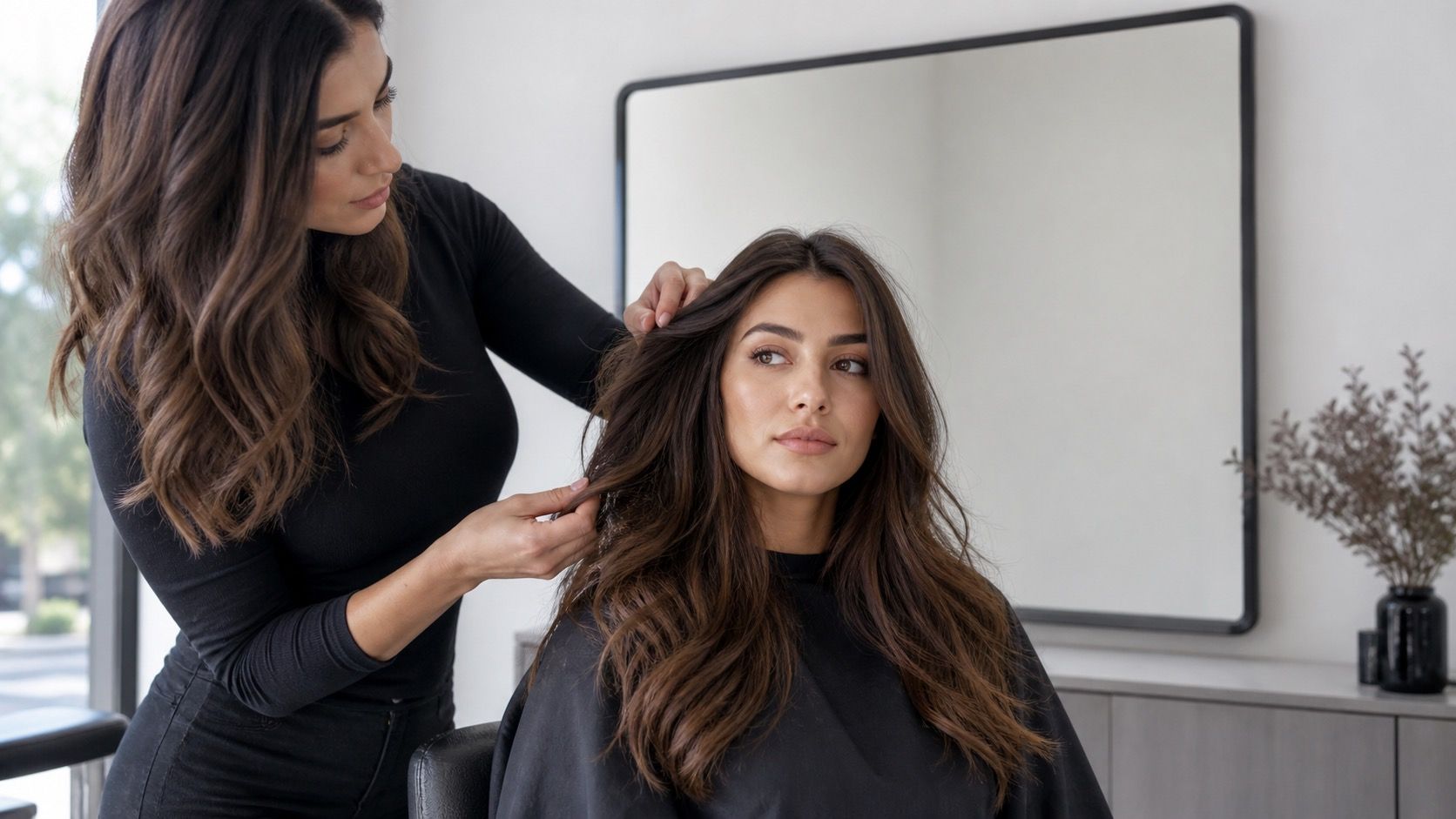
Soft brunette is often the most natural family for Cool Summer colouring. Think ash brown, mushroom brown, taupe brunette, and cool cocoa rather than black coffee or warm chestnut. These shades can reduce brassiness while keeping enough brown for the hair to look healthy and dimensional.
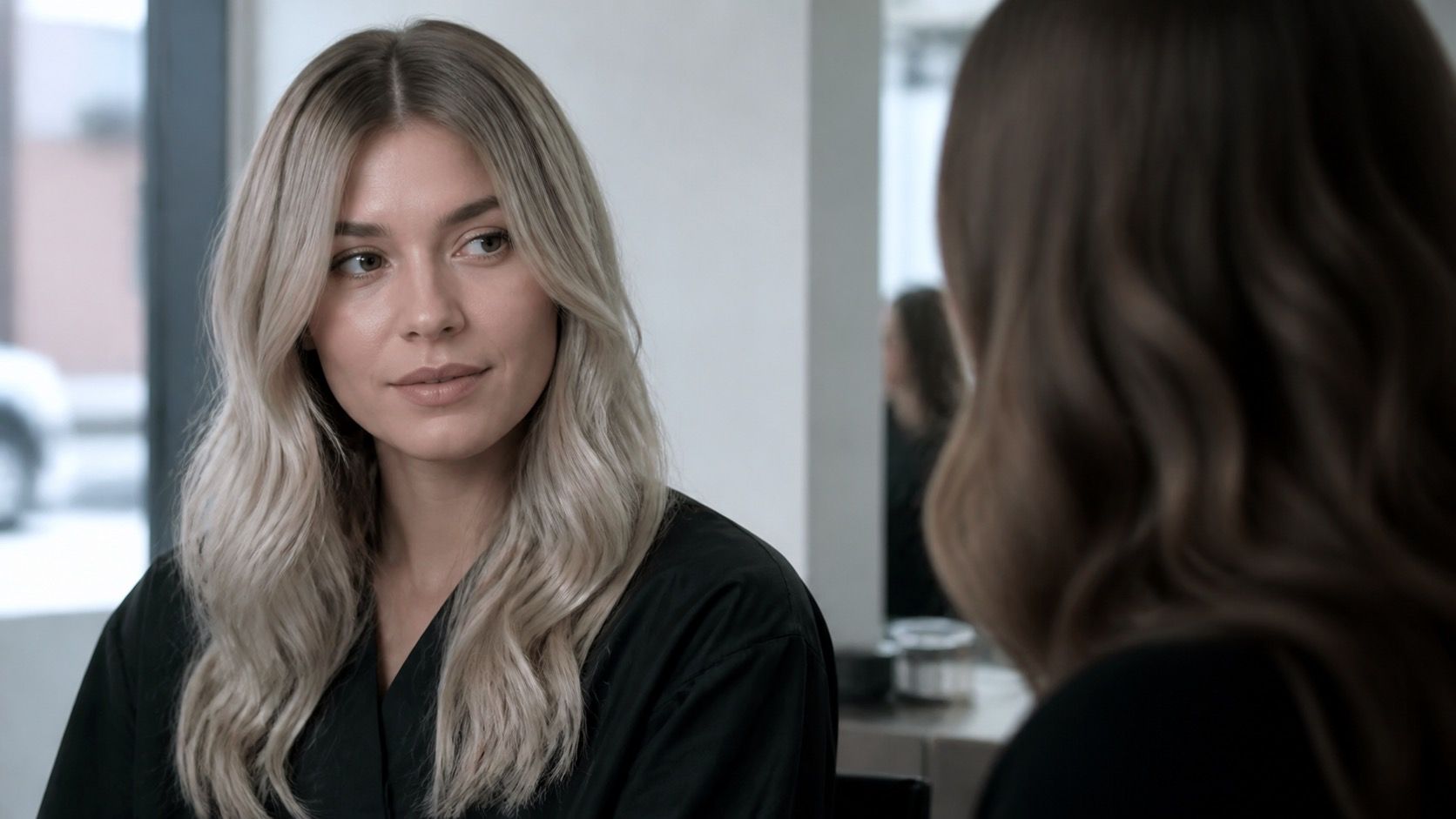
Cool blonde can work, but it needs restraint. Dark ash blonde, pearl blonde, cool beige blonde, and muted champagne without gold are usually easier than icy platinum. Fine lights through the top layer or hairline can brighten the face without changing the whole identity of the hair.
Ash tones are useful when they correct unwanted warmth, but too much ash can look chalky. This is where salon language gets subtle. Asking for "ash" alone may push the colour colder than you meant. Asking for cool beige, soft smoke, or muted neutral can give the colourist more room to balance the formula.
| Colour family | Cool Summer version | Risk if pushed too far |
|---|---|---|
| Blonde | Dark ash blonde, pearl blonde, cool beige | Can become icy or severe |
| Brunette | Mushroom brown, taupe brown, cool cocoa | Can look flat if all warmth is removed |
| Red or rose | Dusty rose brown, soft berry glaze | Can turn vivid or artificial quickly |
| Gloss only | Blue-violet or cool neutral gloss on existing depth | Can fade back to warmth if old colour is porous |
How British salon language can differ
The spelling of colour does not change the result, but the words used in British salons can shape the consultation. A client may ask for a tint, gloss, toner, root melt, or colour refresh and mean slightly different things. It is worth slowing down before the bowl is mixed.
A toner usually adjusts tone after lightening or refreshes a shade that has faded warm. A gloss can add shine and shift reflect more gently, though salons use the words differently. A root melt softens the line between natural root and coloured lengths. For Cool Summer hair colours, that root melt should normally stay neutral or cool-neutral, not caramel.
If you want a soft brunette, say whether you mean the overall depth or the reflective tone. "Soft" might mean lighter to one colourist and more muted to another. A useful phrase is: "I want the colour to stay cool and muted, with a natural root and no golden warmth." Then show a photo under daylight, not just a heavily edited salon reel.
British colour charts may use level numbers and reflect codes, but clients do not need to prescribe a formula. In fact, trying to do so can backfire if the hair has old dye, bleach, henna, mineral build-up, or uneven porosity. Your job is to describe the visible result and the maintenance you can live with. The colourist's job is to judge the route.
When a cool colour becomes too grey
Grey is not automatically sophisticated on a Cool Summer. A smoky finish can look elegant when it is balanced with the right depth, but a heavy ash toner can make skin look tired or hair look dusty. This is especially common on blonde ends that are porous and grab violet or blue pigment quickly.
The warning sign is a colour that looks separate from the person. If the hair reads as a grey cap while the face looks softer and warmer by comparison, the tone has gone beyond gentle coolness. A small amount of beige or brown may need to come back into the formula.
Brunettes have a different version of the same problem. Removing every hint of red or gold can leave the hair looking inky, matte, or greenish in poor lighting. A good cool brunette keeps enough natural brown reflect to look alive. The finish should be quiet, not drained.
Maintenance intervals matter here. If you only want salon visits every three or four months, ask for a colour that fades softly. A very cool toner may look perfect for two weeks and then expose warmth. A softer cool beige or mushroom brown may be less dramatic on day one but easier to wear between appointments.
A practical consultation checklist
Arrive with clean information rather than a fixed formula. Tell the colourist what is on your hair now, including box dye, gloss, bleach, keratin treatment, henna, or colour removers. Previous colour changes how the hair lifts and how ash tones settle. Without that history, even a careful Cool Summer plan becomes guesswork.
Ask about depth first. Should the hair stay close to your natural root, go half a level lighter, or add subtle depth at the base? Then discuss tone: cool beige, ash brown, pearl, smoke, or neutral-cool. Finally, discuss placement: all-over colour, fine babylights, a root melt, a gloss, or a few face-framing pieces.
It also helps to agree on what you are avoiding. Say no to copper, orange, strong gold, high-contrast stripes, and very icy ends if those are the risks for your colouring. A good consultation should include both the desired direction and the boundaries.
If you use a virtual hair colour preview, keep it in its place. It can show whether you prefer brunette softness or blonde lift, but it cannot read old colour history, hair condition, or how toner will fade. Treat it as a conversation starter. The final shade should come from your natural root, your maintenance rhythm, and a realistic salon assessment.